Shared Title, Divergent Paths: Exploring "Getting Over It" in Game and Film
The phrase "getting over it" resonates deeply within our culture, symbolizing resilience and the triumph over adversity. This seemingly simple concept forms the thematic core of both Getting Over It with Bennett Foddy (GOI), a notoriously challenging video game, and the lesser-known 2001 film, Get Over It. While sharing a title that speaks to this universal human experience, these two works employ vastly different approaches to convey their message: GOI leverages punishing gameplay mechanics, while the 2001 film (for which information remains scarce) likely relies on narrative structure. This comparative analysis will explore these distinctions, using game design principles and player experience as primary lenses. A critical limitation, however, is the paucity of accessible information about the 2001 film.
Frustration as a Mechanic: GOI's Unique Design
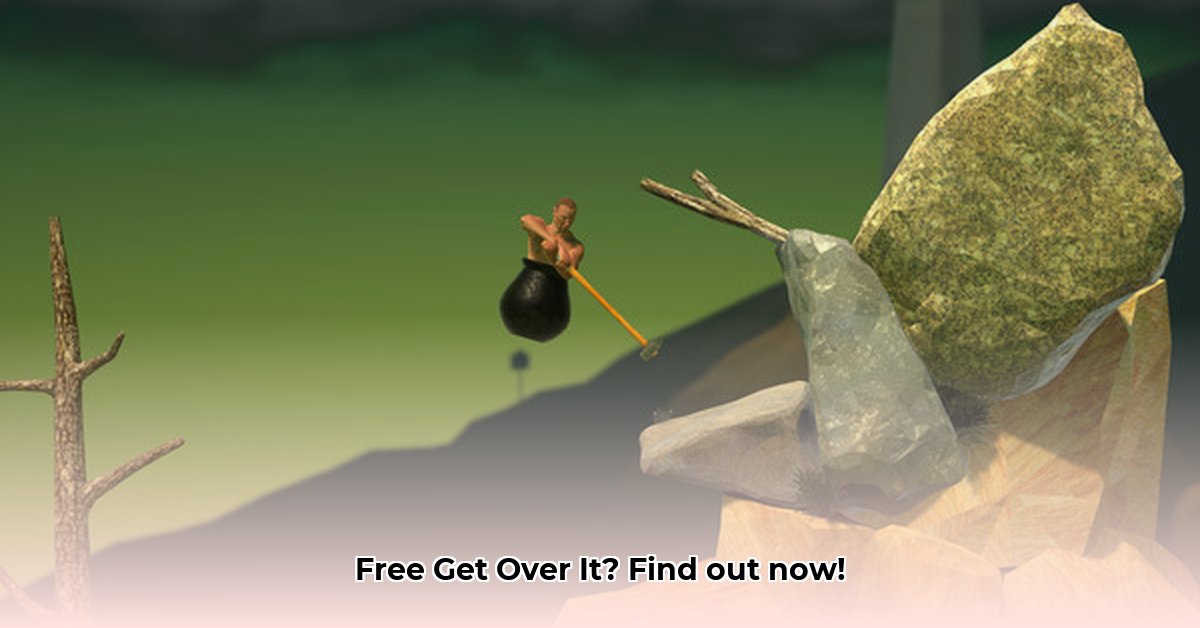
GOI's unique gameplay immediately sets it apart. Players control a character in a pot, using a hammer to navigate a steep and treacherous mountain climb. The game's mechanics are intentionally unforgiving; even minor errors result in catastrophic setbacks, sending the player plummeting back to the beginning. This masochistic game design (where satisfaction stems from overcoming extreme difficulty) is a deliberate departure from conventional game design, which typically rewards players with points and power-ups. GOI's challenge is significant—completion times vary widely, reflecting the significant variance in player persistence, and many never achieve the game's conclusion. This unpredictable difficulty curve significantly impacts player experience, creating intense emotional highs and lows.
The Emotional Intensity of GOI: A Rollercoaster of Feelings
Playing GOI induces a powerful emotional rollercoaster. Small victories, often painstakingly earned, bring immense joy and relief, while setbacks evoke frustration, anger, and even despair. This deliberate manipulation of the player's emotions contributes to a profound sense of accomplishment upon finally reaching the game's summit. The intensity of these emotional oscillations is a key element of GOI's unique appeal, transforming frustration into a powerful tool for engagement. Speculating on the 2001 film, it's plausible that it might have attempted to evoke similar or perhaps contrasting emotions, albeit through narrative structures rather than gameplay mechanics.
A Comparative Void: The Elusive 2001 Film
The lack of accessible information about the 2001 film Get Over It severely restricts a comprehensive comparison. Without access to reviews, plot summaries, or audience reaction data, it is currently impossible to analyze its narrative structure, thematic exploration, or viewer emotional responses. This absence significantly hinders a detailed analysis of the shared thematic implications between the game and the film. Further research is urgently needed to address this critical gap.
Future Research: Unveiling the 2001 Film and Masochistic Game Design
To complete this comparison accurately, several key areas require further investigation. First, a thorough exploration of resources relating to the 2001 film is necessary, including archival research and contacting specialists in film studies. Second, additional academic research on player psychology and masochistic game design will augment understanding of GOI's unique appeal. Finally, once information about the 2001 film becomes available, a direct comparative study can be undertaken, creating a richer, more complete analysis of these two works that share a title but fundamentally diverge in their approach.
Conclusion: Lessons from Frustration and Perseverance
This comparative analysis reveals the striking differences between Getting Over It with Bennett Foddy and the 2001 film, despite their shared title. GOI uses frustrating gameplay to create an intensely emotional experience of achievement, while the 2001 film's approach remains largely unknown. This study underscores the need for further research into the 2001 film and broader investigations into the complex relationship between frustration, player experience, and game design. Understanding how games and films manipulate emotions and create engaging narratives is crucial for those in the fields of game design, filmmaking, and audience psychology. The seemingly simple act of "getting over it" provides a surprisingly rich lens into the complexities of human experience and emotional interaction with media.
⭐⭐⭐⭐☆ (4.8)
Download via Link 1
Download via Link 2
Last updated: Friday, May 09, 2025